01 / 08Technical Information
Quenched and Tempered Steels
Medium-carbon steels (about 0.25–0.60%) that gain high strength and toughness through hardening and tempering, used for machine parts under heavy load.

Properties
Quenched and tempered steels usually contain 0.25–0.60% carbon and are alloyed with elements such as chromium, molybdenum and nickel. Hardening followed by high-temperature tempering gives them high strength and toughness at the same time.
Typical grades
- C45, C50 (unalloyed)
- 41Cr4, 42CrMo4
- 34CrNiMo6, 30CrNiMo8
Applications
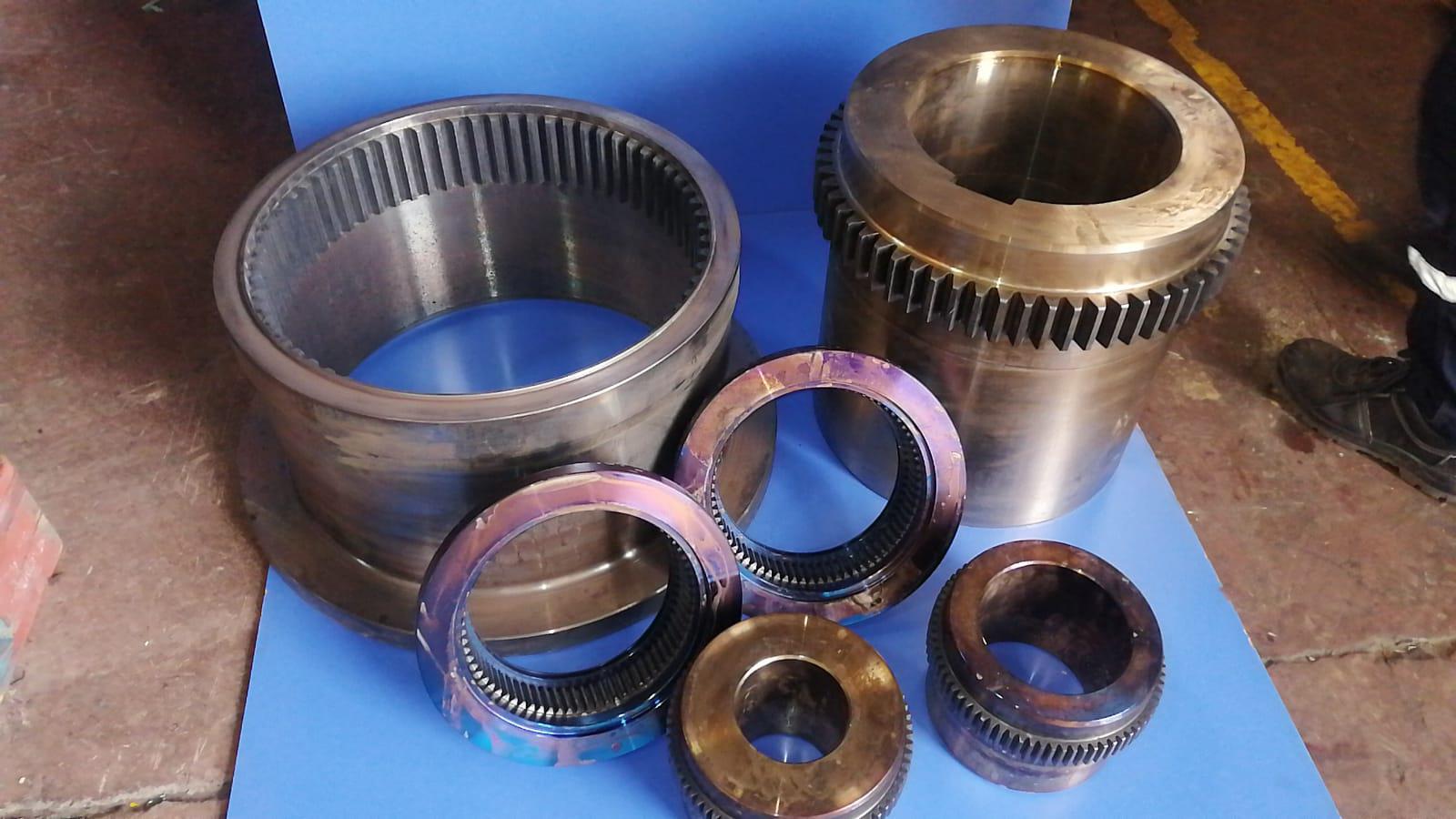
Axles, crankshafts and camshafts, gears, fasteners, hydraulic piston rods and machine parts working under heavy load.
Heat treatment notes
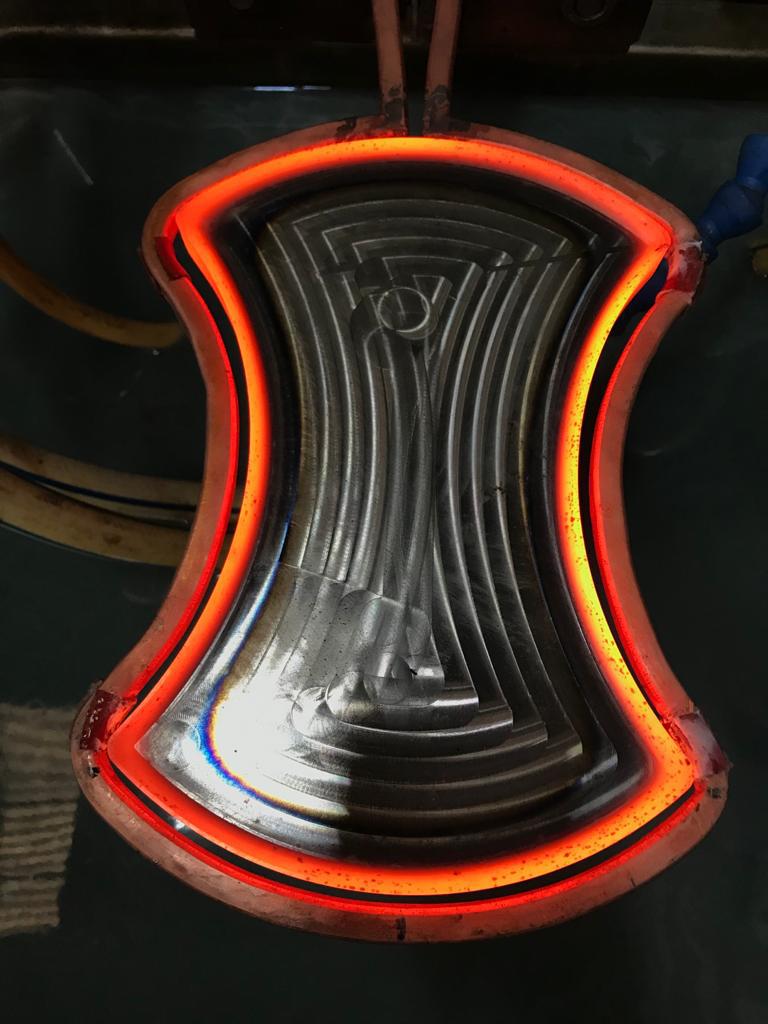
The wearing areas of a quenched and tempered part can afterwards be induction hardened, giving a hard, wear-resistant surface over a tough core. Chromium-molybdenum grades are also suitable for nitriding.
Which processes for this steel?
State the steel grade, target hardness and depth in the quote form; we will determine the suitable induction or heat treatment process together.
Quote in 3 steps
Your request goes straight to our quotations team and we get back to you as soon as possible.
- Job detailsTell us the service, the material and the quantity.
- Drawing and notesAttach your technical drawing if you have one and add any special requirements.
- Contact detailsLeave your contact details. Your request goes to our quotations team and you receive a confirmation email.
Related services
-
-
-